
U.S. Tightens Controls: Social Media Is Now Part of the Visa Process
For years, immigration processes in the United States have been primarily evaluated through documents, forms, and interviews. However, that reality is evolving.
Today, case evaluation goes beyond paperwork.
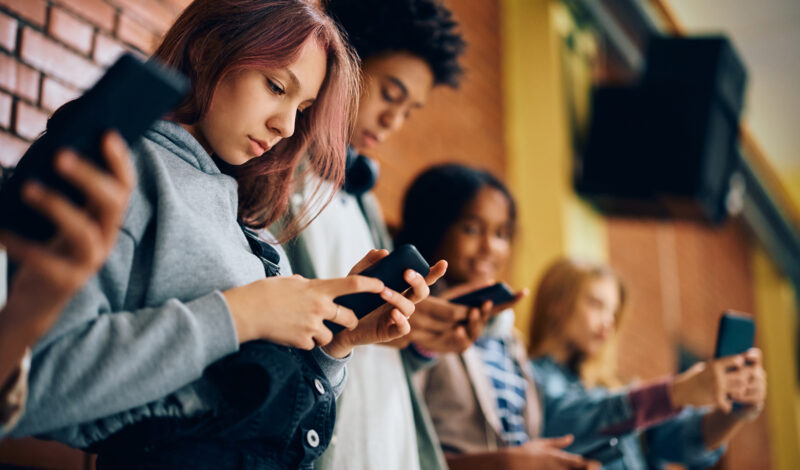
The U.S. government has strengthened its control mechanisms by incorporating an increasingly influential aspect of people’s lives: social media. As of March 30, 2026, visa applicants will be required to keep their profiles public, allowing authorities to include this information as part of the evaluation process.
This measure does not emerge in isolation. It is part of a broader trend that has been developing over recent years, where information verification increasingly relies on the digital environment. Various international media reports have highlighted how immigration authorities are expanding the use of technological tools to cross-check data and strengthen their evaluation processes.
In this context, a person’s digital presence is no longer just personal—it becomes an extension of their applicant profile.
Authorities are not only reviewing what an individual formally declares, but also how they present themselves online. Posts, interactions, and shared content may be considered as part of the analysis, particularly when assessing the consistency of a case or identifying potential discrepancies.
This creates a new landscape that requires greater awareness of one’s digital footprint.
It is no longer just about meeting the formal requirements of the process, but understanding that how a person presents themselves on social media can directly influence how their application is perceived. Content that contradicts the purpose of the visa, ambiguous messaging, or sensitive information can raise concerns that impact the outcome.
However, this review does not necessarily imply a negative approach. Rather, it reinforces the importance of consistency.
A well-structured profile—where the information presented in the application aligns with one’s digital presence—can significantly strengthen a case. In this sense, social media shifts from being a risk to becoming another element within a comprehensive strategy.
The inclusion of these factors reflects a transformation in how immigration processes are understood. Digitalization has expanded evaluation tools, and with it, the level of detail with which each case is reviewed.
Today, more than ever, migration requires preparation.
And that story is inevitably told in the digital space as well. Every decision, every detail, and every point of exposure becomes part of a narrative that must be clear, consistent, and well-structured. Because in today’s environment, it is not only about what is submitted on a form—but the complete story each person presents.